How does illegal parking enforcement work for businesses and apartments?
January 19, 2026
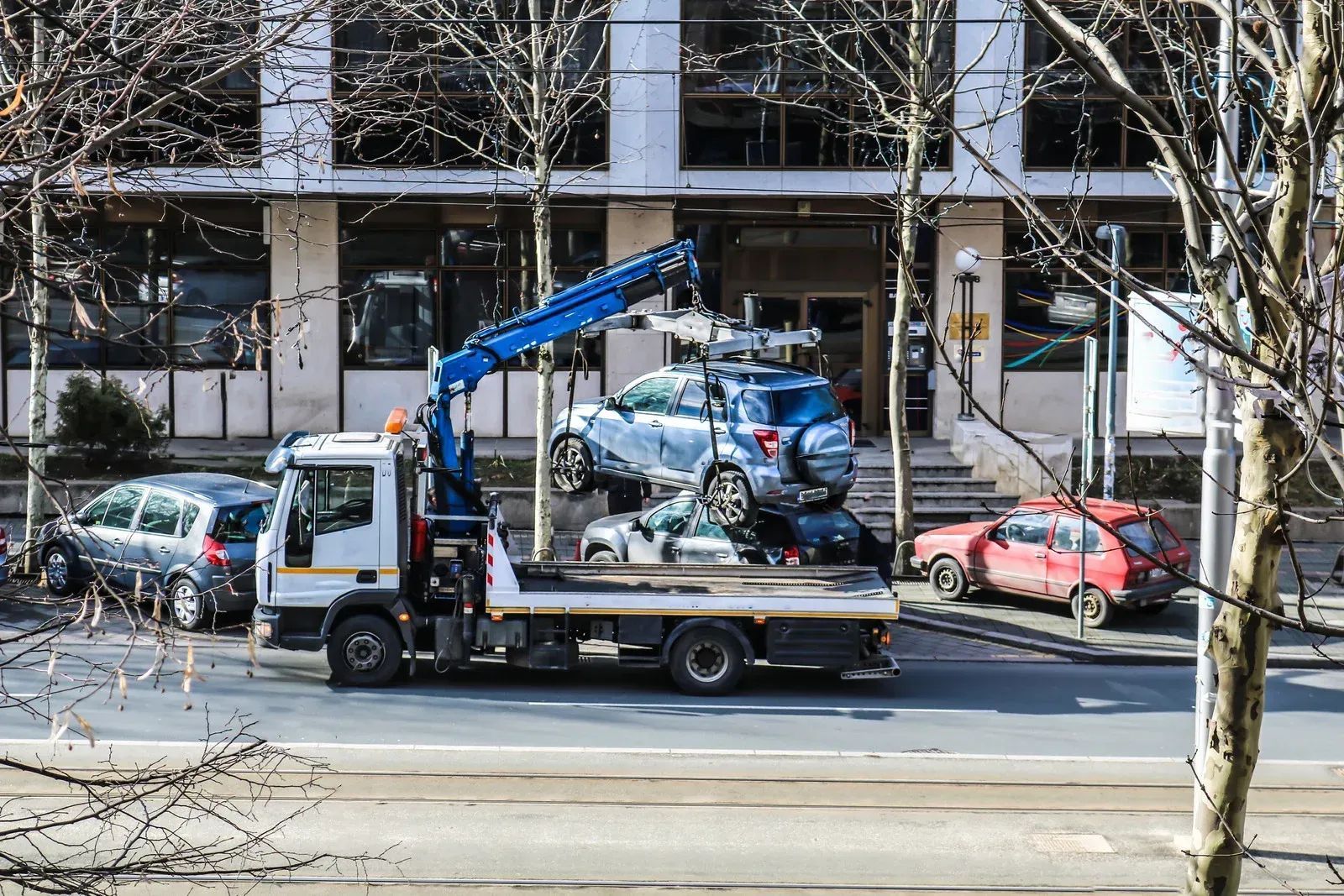
Illegal parking is more than just a nuisance; it represents a tangible disruption for businesses, apartment complexes, and property managers. In urban areas where space is limited, unauthorized parking can cause operational challenges, safety hazards, and customer dissatisfaction. For businesses, blocked spaces can deter clients and limit revenue opportunities. Similarly, apartment complexes face frequent frustrations from tenants and visitors when parking regulations are ignored, often leading to disputes and increased administrative burdens. Understanding the mechanisms of illegal parking enforcement is crucial for maintaining order, safety, and operational efficiency in these environments.
The evolution of parking enforcement has moved beyond simple “no parking” signs and occasional warnings. Today, businesses and property managers have access to sophisticated tools and professional services designed to monitor, manage, and enforce parking regulations effectively. From issuing citations to towing unauthorized vehicles, these services provide an essential support system for property owners seeking to protect their spaces and ensure compliance. By learning how illegal parking enforcement works, businesses and apartment complexes can implement strategies that minimize disputes, optimize space utilization, and maintain a smooth operational flow, all while fostering a safer and more organized environment for customers, tenants, and visitors alike.
Understanding Illegal Parking Enforcement
Definition and Scope
Illegal parking enforcement involves managing, monitoring, and penalizing unauthorized vehicles on private or restricted property. For businesses and apartments, it includes violations such as blocking reserved spots, fire lanes, handicapped spaces, or designated visitor areas. Enforcement ensures that parking resources are utilized appropriately and discourages repeated violations.
Legal Considerations
Businesses and apartment managers must adhere to local and state laws when enforcing parking regulations. Private property enforcement is distinct from municipal parking enforcement, meaning property owners have specific rights but also responsibilities. Failing to follow legal protocols can result in liability issues, including claims of improper towing or violation of tenant rights. Proper signage, consistent enforcement, and adherence to regulations are critical to avoid legal challenges.
Enforcement Goals
The primary goals are accessibility, safety, and operational efficiency. By enforcing parking rules, businesses ensure customers have access to convenient parking, while apartments maintain resident satisfaction. Enforcement also minimizes risks associated with blocked fire lanes or emergency access points, contributing to overall property safety.
Methods of Illegal Parking Enforcement
Warning Notices
Before towing or issuing fines, many property managers begin with warning notices. These can be printed notices placed on vehicles or electronic alerts in communities using advanced systems. Warnings inform violators of the rules and potential consequences, often resolving minor infractions without escalation.
Example: An apartment complex may issue a first-time warning to a tenant parking in a reserved spot, highlighting the violation and advising on corrective action.
Towing Services
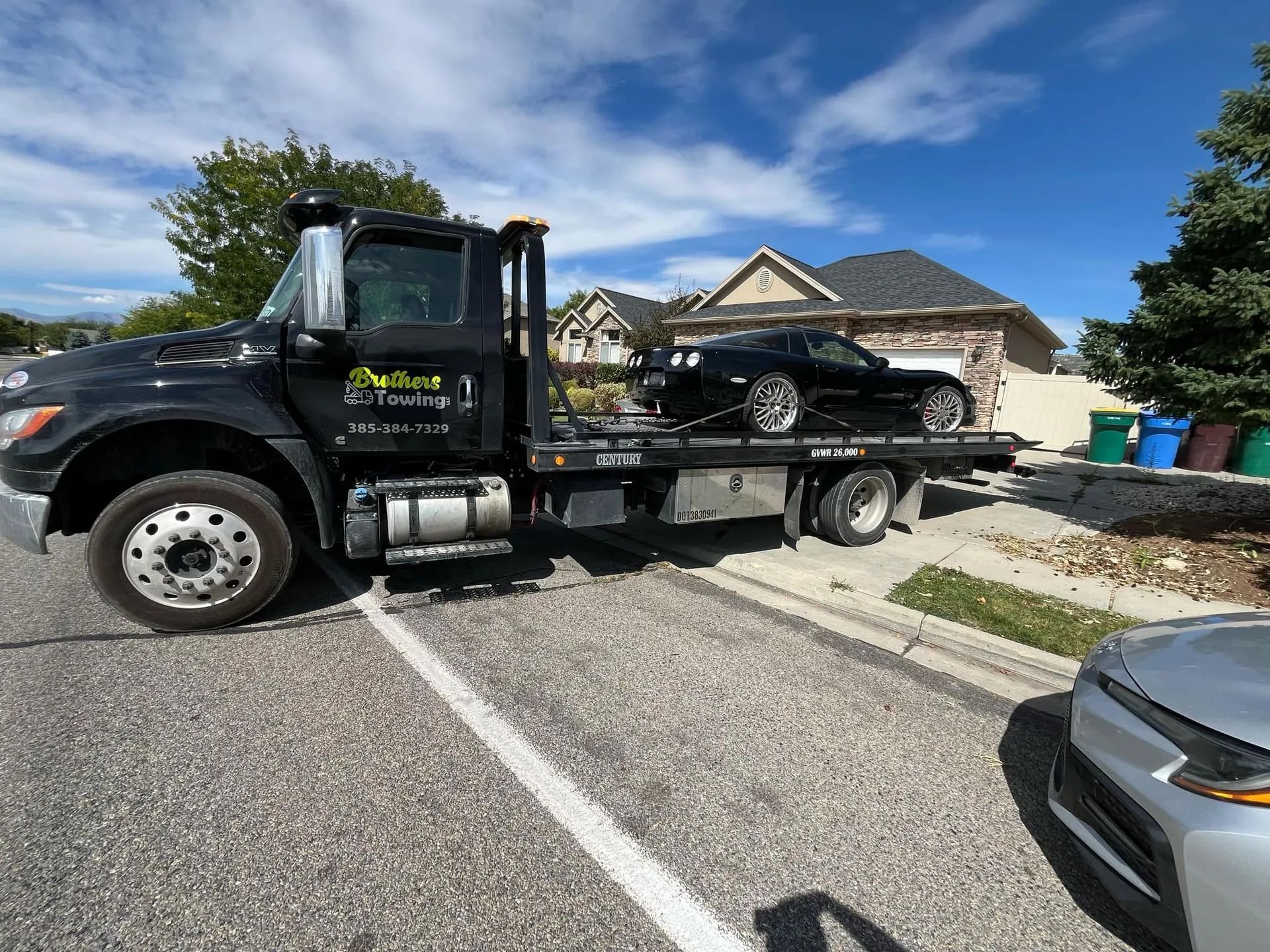
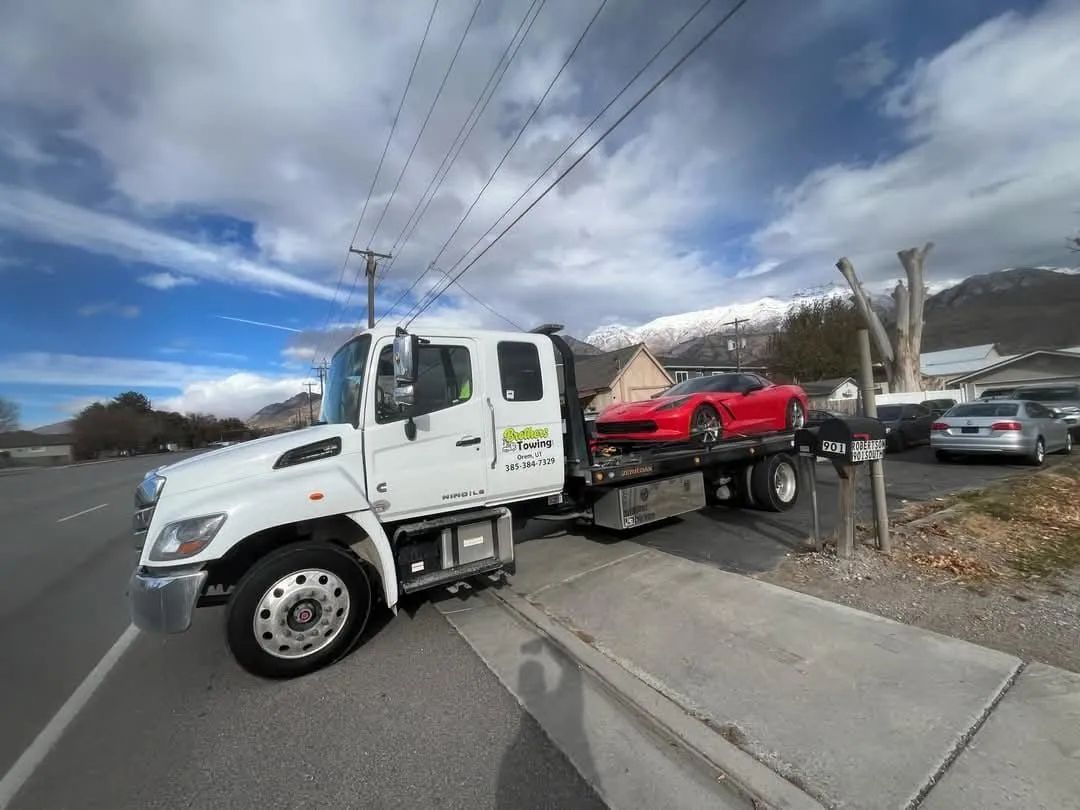
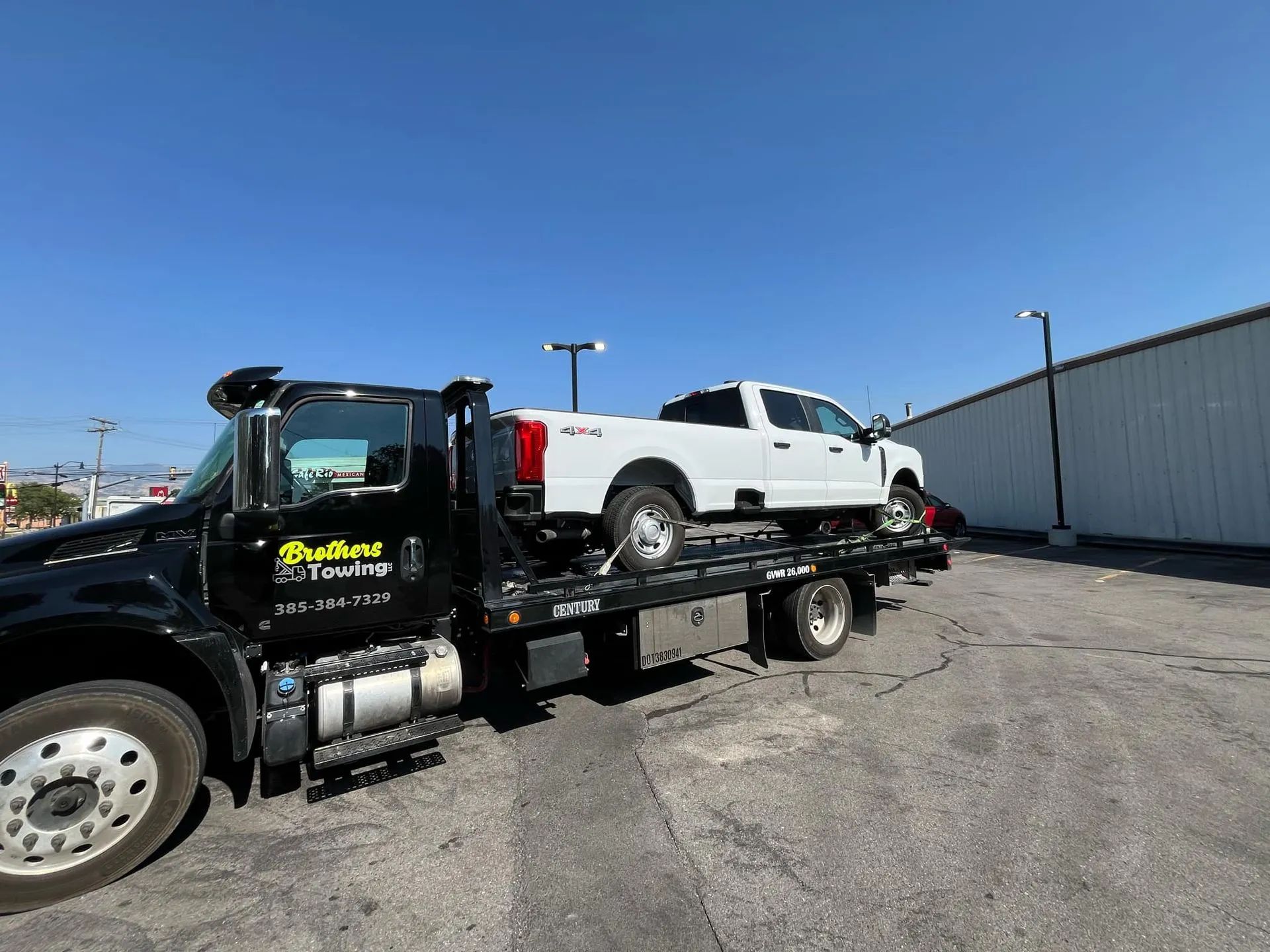
When warnings are ignored or violations are severe, towing is a common enforcement method. Licensed towing companies remove unauthorized vehicles from the property, typically storing them in a secure lot. Towing not only enforces compliance but also sends a strong deterrent message to potential violators.
Best Practice: Clearly marked signage stating towing policies helps property owners avoid disputes and reinforces the legal right to remove unauthorized vehicles.
Fines and Citations
Some private properties implement a citation or fine system. Citations serve as formal notices of violation and often come with a monetary penalty. This method is effective for repeat offenders and can be integrated with towing policies for severe cases.
Real-World Insight: Businesses near busy commercial areas often rely on fines to deter employees of neighboring businesses from occupying customer spaces, balancing enforcement with professionalism.
Parking Permits and Access Control
Implementing a permit system helps regulate who can park on a property. Residential complexes often provide tenants with stickers or electronic passes, while businesses may assign reserved spaces for employees and visitors. Access control systems, such as gates or digital sensors, can automate enforcement and reduce manual monitoring.
Actionable Tip:
Combining permits with real-time monitoring software enables property managers to track unauthorized vehicles efficiently and reduce confrontations.
Challenges in Parking Enforcement
Tenant and Customer Conflicts
Legal and Regulatory Compliance
Improper enforcement can lead to lawsuits or fines. Regulations vary by state and municipality, covering signage, notice requirements, towing practices, and even permitted fee structures. Ignoring these regulations exposes property owners to liability and potential financial loss.
Expert Insight: Regularly reviewing local laws and working with professional enforcement companies ensures compliance while maintaining a fair approach.
Operational Logistics
Enforcing parking regulations requires staff time, monitoring tools, and coordination with towing or security services. Without streamlined processes, enforcement can become inconsistent, leading to disputes or repeat violations.
Practical Tip: Implement scheduled patrols, digital tracking systems, and standardized enforcement procedures to maintain consistent practices and reduce administrative burden.
Technology in Parking Enforcement
Automated Monitoring
Modern technology plays a significant role in illegal parking enforcement. Cameras, sensors, and license plate recognition systems allow property managers to monitor spaces in real-time. Automated alerts notify staff of violations immediately, ensuring quick action and reducing manual oversight.
Example: A gated apartment complex may use license plate recognition to flag vehicles without permits, automatically alerting management or security teams.
Mobile Applications
Apps designed for parking enforcement allow staff to issue digital warnings, track violations, and even communicate with towing companies seamlessly. These platforms improve efficiency, reduce paperwork, and maintain detailed records for accountability.
Actionable Insight: Using an integrated mobile app can streamline enforcement operations and provide legal documentation in case of disputes.
Data Analytics
Analyzing parking patterns helps property owners identify peak usage, recurring violators, and high-risk areas. Data-driven insights inform enforcement strategies, such as adjusting reserved spaces or implementing targeted warnings in problem zones.
Benefit: Businesses can optimize customer parking, while apartments can improve resident satisfaction and safety using actionable parking data.
Best Practices for Businesses and Apartments
Clear Signage and Communication
Signage is a critical tool in preventing unauthorized parking. Signs should clearly outline restrictions, towing policies, fines, and contact information for enforcement. Effective signage reduces disputes and supports legal compliance.
Example: Businesses near high-traffic commercial zones can use visible signs to indicate reserved spaces for customers, reducing employee misuse from neighboring businesses.
Consistent Enforcement
Inconsistent enforcement undermines credibility and encourages repeat violations. Establishing a consistent process for monitoring, warnings, fines, and towing ensures fairness and reduces confrontations.
Actionable Tip: Maintain a documented enforcement protocol for staff to follow, ensuring uniform application of rules.
Partnering with Professional Services
Engaging professional parking enforcement or towing services helps manage the logistical and legal complexities of unauthorized parking. Experienced companies provide trained personnel, licensed towing, and legal compliance, reducing liability for property owners.
Expert Insight: Partnering with a professional service allows businesses and apartments to focus on core operations while ensuring effective enforcement.
Educating Tenants and Customers
Proactive communication about parking rules, permits, and enforcement procedures fosters understanding and cooperation. Sending periodic reminders, including rules in lease agreements, or posting notices for customers reduces friction and encourages compliance.
Benefit: Educated tenants and visitors are less likely to violate parking regulations, minimizing enforcement efforts over time.
Real-World Applications
Case Study: Apartment Complex
A 120-unit apartment complex faced repeated violations in reserved parking spots. Management implemented a permit system, installed visible signage, and partnered with a local towing company. Within three months, unauthorized parking incidents decreased by 70%, and tenant satisfaction improved due to clearer parking expectations.
Case Study: Retail Business
A busy retail store struggled with neighboring employees occupying customer parking. The business introduced designated customer-only spaces, warning notices, and a structured towing policy. With consistent enforcement and professional support, customer complaints decreased, and turnover in parking spaces improved, directly impacting sales and customer experience.
Lessons Learned
These scenarios highlight the importance of combining communication, technology, and professional services for effective enforcement. Businesses and apartments that invest in proactive strategies see better compliance, reduced disputes, and enhanced property management efficiency.
Optimizing Property Operations Through Parking Rule Compliance
Illegal parking enforcement is a critical aspect of property management for businesses and apartments, ensuring accessibility, safety, and operational efficiency. By understanding the legal framework, leveraging technology, and implementing structured policies, property owners can manage violations effectively while minimizing conflicts. Warning notices, fines, towing services, and permit systems provide multiple layers of enforcement, allowing for fair and consistent application of rules. Challenges such as tenant disputes, operational logistics, and regulatory compliance require proactive planning and professional support. Real-world applications demonstrate that a strategic, multi-faceted approach not only resolves parking issues but also enhances the overall experience for tenants and customers alike.
For property owners in Orem and Provo, Utah, Brothers Towing
is a trusted partner in illegal parking enforcement. With 4
years of experience, the company provides reliable, professional towing and enforcement services for businesses and apartment complexes. Their team combines industry knowledge with responsive support, ensuring compliance, safety, and smooth property operations. By partnering with us, property managers gain access to proven enforcement strategies, clear communication with violators, and peace of mind knowing that parking issues are handled efficiently and professionally. Whether managing high-traffic retail spaces or residential complexes, Brothers Towing
delivers dependable solutions tailored to each property’s unique needs.