Top Challenges in Freight Transport and How Professional Services Solve Them
December 25, 2025
The freight transport industry is a cornerstone of global trade, ensuring that goods move efficiently from manufacturers to retailers and ultimately to consumers. As supply chains expand and consumer demands grow, the logistics involved in transporting freight have become increasingly complex. From small businesses relying on timely deliveries to large corporations managing international shipments, the ability to navigate the challenges of freight transport directly impacts operational efficiency, customer satisfaction, and profitability. Understanding the obstacles within this sector is critical for businesses aiming to maintain a competitive edge.
Freight transport professionals face a myriad of challenges, including regulatory compliance, fluctuating fuel costs, and evolving technological demands. Delays, cargo damage, and mismanaged logistics are risks that can disrupt operations and incur significant costs. Professional freight services have evolved to meet these challenges, offering expertise, advanced technology, and tailored solutions to ensure reliable and efficient transportation. By analyzing the primary hurdles in freight transport and examining how expert services address them, businesses can gain valuable insights into optimizing supply chain operations while reducing operational risks. This comprehensive guide explores the top challenges in freight transport and demonstrates how professional services mitigate these issues effectively.
1. Regulatory Compliance and Legal Challenges
Understanding Complex Regulations
Freight transport is heavily regulated to ensure safety, environmental compliance, and fair trade practices across all jurisdictions. Regulations vary significantly across states and countries, covering areas such as weight limits, hazardous material handling, and driver working hours to maintain operational standards. Non-compliance can lead to hefty fines, shipment delays, or legal disputes, which can be costly for businesses and negatively impact their reputation if not properly managed.
How Professional Services Help
Professional logistics companies maintain up-to-date knowledge of local, national, and international regulations, ensuring shipments always comply with legal requirements. They implement compliance protocols, including proper documentation, certifications, and comprehensive training programs for drivers and operational staff. For instance, a freight company handling hazardous materials will ensure that all staff follow Occupational Safety and Health Administration (OSHA) standards and transport goods safely within legal weight limits at all times. By managing compliance proactively, businesses can avoid operational disruptions, maintain a positive reputation, and operate efficiently across multiple jurisdictions without unnecessary delays.
Best Practices
- Regular regulatory audits and training for all staff members.
- Leveraging compliance software to accurately track permits and certifications.
- Partnering with professional carriers familiar with complex cross-border logistics.
2. Fuel Costs and Operational Efficiency
Rising Fuel Prices
Fuel costs are one of the most significant and unpredictable expenses in freight transport operations today. Sudden fluctuations in fuel prices can drastically affect operational budgets, particularly for long-haul and international shipments that cover thousands of miles. Inefficient fuel usage also increases carbon footprints, which conflicts with growing corporate sustainability and environmental responsibility goals.
Strategies Employed by Professionals
Freight service providers optimize routes using advanced route planning software, effectively reducing fuel consumption and transit times across all deliveries. They employ fuel-efficient vehicles and implement telematics systems to monitor driver performance continuously. For example, by analyzing driving patterns such as excessive idling, speeding, or inefficient braking, companies can train drivers to adopt fuel-saving practices, saving thousands of dollars annually while improving overall operational efficiency and safety.
Real-World Scenario
A mid-sized logistics company faced escalating fuel costs due to inefficient routing and lack of data-driven insights. By partnering with a professional freight management service, they implemented GPS-based route optimization and predictive analytics systems. Resulting adjustments reduced fuel consumption by 15%, decreased delivery times, improved overall operational efficiency, and enhanced customer satisfaction through more reliable deliveries.
Best Practices
- Invest in fuel-efficient fleets and regular vehicle maintenance programs.
- Utilize predictive analytics for route planning and load optimization strategies.
- Monitor fuel usage consistently using telematics and comprehensive reporting tools.
3. Supply Chain Disruptions and Delays
Professional Solutions
Professional freight services adopt proactive measures such as real-time tracking, predictive maintenance, and comprehensive contingency planning to prevent major disruptions. They employ supply chain visibility tools that provide accurate, real-time updates on shipment status, allowing businesses to respond quickly to potential problems. For example, during severe weather events, logistics providers may reroute shipments, adjust schedules, or deploy alternative resources to maintain timely deliveries without compromising safety or efficiency.
Expert Reasoning
Experts recommend integrating freight management systems with predictive analytics to identify risks before they escalate into critical disruptions. Real-time monitoring of shipments, coupled with proactive communication with clients and stakeholders, minimizes the impact of delays and ensures continuity in operations while maintaining a competitive advantage in the market.
Best Practices
- Establish multiple shipping routes and detailed contingency plans in advance.
- Partner with carriers that offer real-time tracking and predictive analytics.
- Conduct regular risk assessments and scenario planning to anticipate problems.
4. Cargo Damage and Security Concerns
Risks of Cargo Damage
Cargo damage is a significant challenge in freight transport, often resulting from improper handling, inadequate packaging, or accidents during transit. Sensitive goods, such as electronics, perishables, or fragile materials, are particularly vulnerable to spoilage, breakage, or quality degradation during transport. Additionally, theft and security breaches pose serious risks to physical assets, revenue, and customer trust if preventive measures are not implemented properly.
Professional Solutions
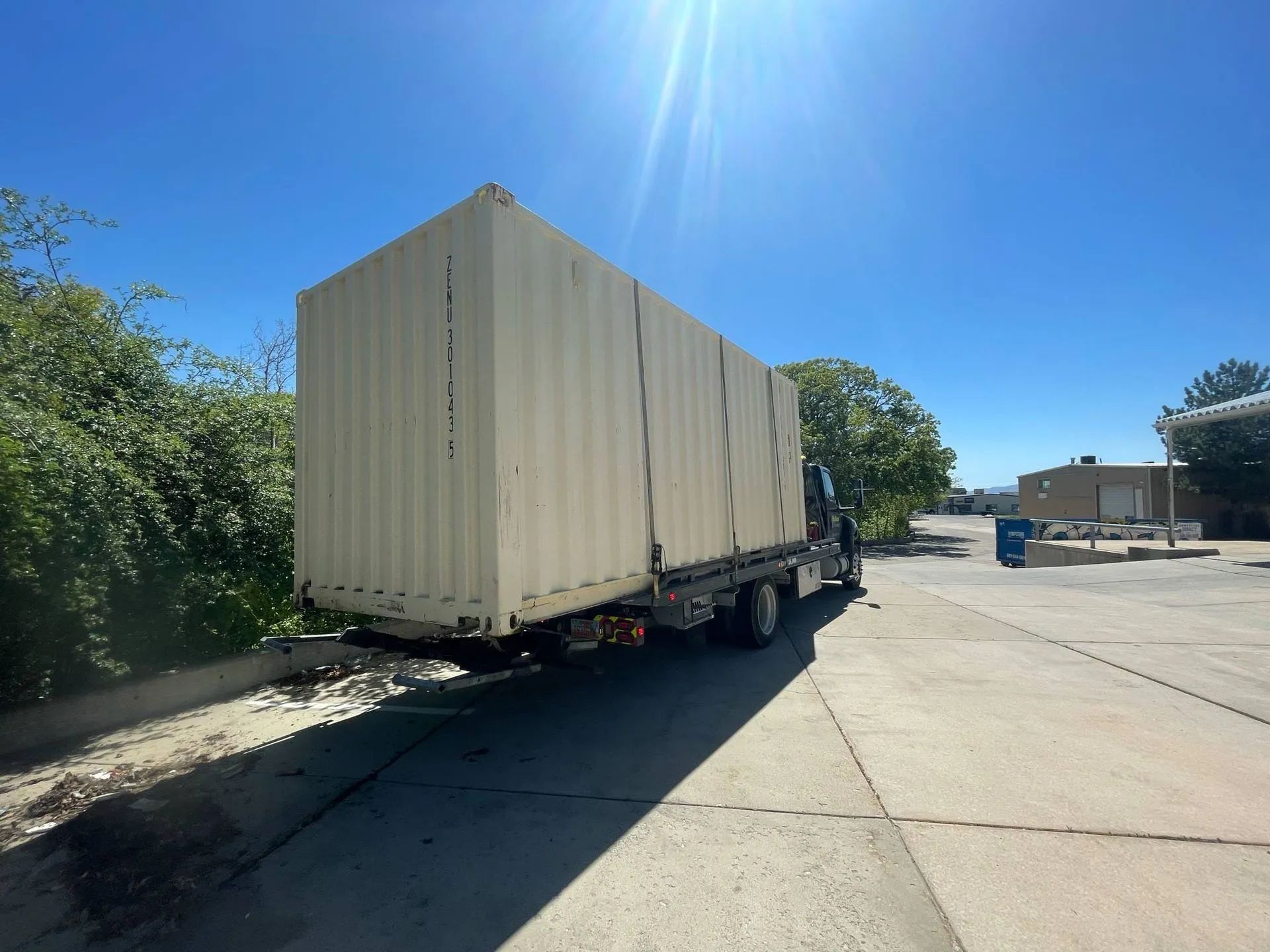
Freight services implement standardized handling procedures and invest in specialized equipment to protect cargo at every stage of transport. For instance, refrigerated trailers maintain optimal temperatures for perishable items, while shock-absorbent packaging prevents damage to fragile goods. Security measures, such as GPS tracking, tamper-evident seals, and comprehensive driver background checks, further reduce the risk of theft or unauthorized access, ensuring cargo arrives safely and intact.
Real-World Scenario
A pharmaceutical company shipping temperature-sensitive vaccines faced repeated spoilage during transit, causing delays and financial loss. A professional logistics partner introduced climate-controlled transport with continuous temperature monitoring and real-time alerts. This solution eliminated spoilage incidents, ensured regulatory compliance with health standards, and improved the company’s overall operational reliability and customer confidence.
Best Practices
- Use specialized containers and secure packaging for temperature-sensitive or fragile goods.
- Implement advanced tracking and monitoring technologies throughout transport processes.
- Train staff comprehensively in proper cargo handling and robust security protocols.
5. Technological Integration and Digital Transformation
The Digital Shift
Freight transport is undergoing a significant technological revolution, from automated warehouses and AI-driven route optimization to cloud-based Transportation Management Systems (TMS). Digital tools are transforming how goods are tracked, scheduled, and delivered. However, integrating new technology into traditional operations presents challenges, including high implementation costs, staff training requirements, and potential data security vulnerabilities.
Role of Professional Services
Freight companies offer specialized expertise in implementing and managing technology solutions tailored to a business’s unique operational needs. Transportation Management Systems (TMS) streamline scheduling, invoicing, and inventory management. Automated reporting and predictive analytics enhance decision-making, enabling companies to anticipate delays, optimize resource allocation, and provide superior customer satisfaction throughout the supply chain.
Expert Insights
Technology adoption is not solely about efficiency; it provides a significant competitive advantage. Companies leveraging data-driven insights can reduce operational costs, improve delivery accuracy, and enhance customer experience substantially. Professionals help businesses navigate the learning curve, ensuring seamless technology integration, staff training, and ongoing support for optimal results.
Best Practices
- Invest in scalable TMS and warehouse automation systems for long-term growth.
- Provide comprehensive staff training for digital tools and cybersecurity awareness.
- Utilize predictive analytics to make strategic operational and logistical decisions.
6. Workforce Management and Driver Shortages
Challenges in Staffing
The freight transport industry faces chronic driver shortages, high turnover rates, and difficulty recruiting skilled logistics personnel. Recruiting and retaining qualified drivers is critical for maintaining operational efficiency, meeting delivery deadlines, and ensuring service quality. Labor challenges can lead to delayed shipments, increased overtime costs, and decreased reliability if not addressed proactively.
How Professionals Address Workforce Issues
Professional services implement comprehensive recruitment and retention strategies, including competitive pay, employee benefits, and continuous training programs. Some companies also leverage technology to reduce reliance on human labor, such as automated loading systems, AI-driven scheduling, and real-time dispatching, which enhances productivity without compromising service quality.
Real-World Scenario
A distribution company struggled with driver shortages during peak shipping seasons, leading to missed deadlines and operational inefficiency. Partnering with a professional logistics provider introduced temporary staffing solutions, driver training programs, and automated dispatching systems. This combined approach reduced delays, improved workforce morale, and maintained consistent delivery standards even during high-demand periods.
Best Practices
- Develop flexible staffing models for peak and off-peak shipping periods.
- Invest in training programs to enhance driver skillsets, retention, and satisfaction.
- Use automation tools strategically to complement human labor and increase efficiency.
Expert Recommendations for Smooth Freight Management Processes
Freight transport is a complex and dynamic industry, facing challenges ranging from regulatory compliance and fuel cost management to cargo security, technological integration, and workforce shortages. Each challenge carries potential risks that can disrupt operations, affect customer satisfaction, and inflate costs. Professional freight services offer actionable solutions by leveraging expertise, technology, and strategic planning, ensuring shipments move efficiently, safely, and on schedule. Businesses that partner with skilled logistics providers gain resilience against disruptions, optimize operational costs, and enhance their competitive edge in an increasingly demanding market.
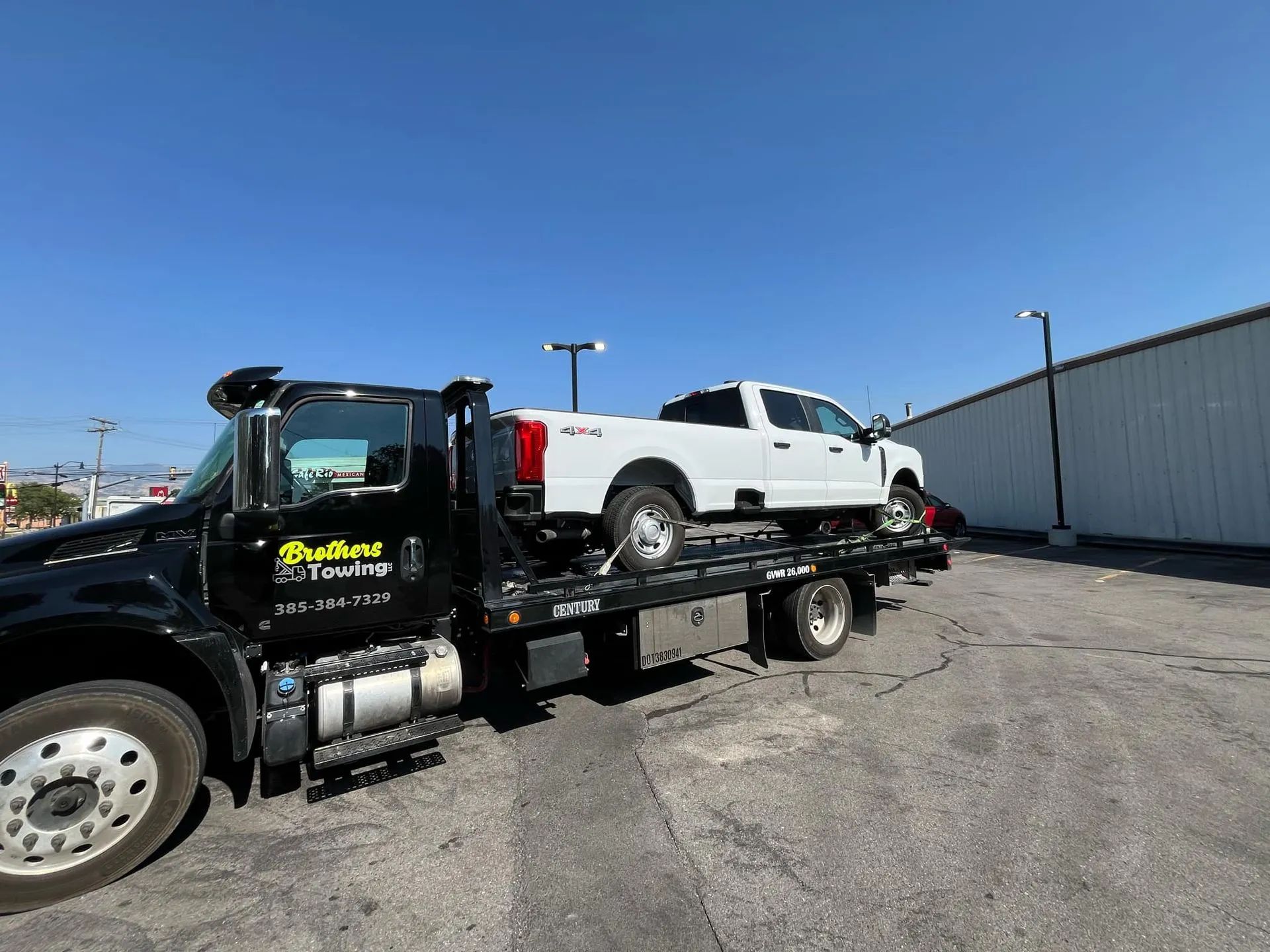
At Brothers Towing, based in Orem and Provo, Utah, we bring four years of specialized experience in managing complex transport and towing logistics with precision and reliability. Our team understands the critical nature of timely and secure transport solutions. By combining professional expertise with advanced equipment and real-time monitoring, we ensure that freight and vehicle transport operations run smoothly. Businesses can rely on our comprehensive services to mitigate risks, safeguard cargo, and enhance overall operational efficiency. With Brothers Towing, every transport challenge is handled with professionalism, care, and a commitment to excellence.