Behind the Hook: How Modern Tow Trucks Are Engineered for Safety
April 29, 2026
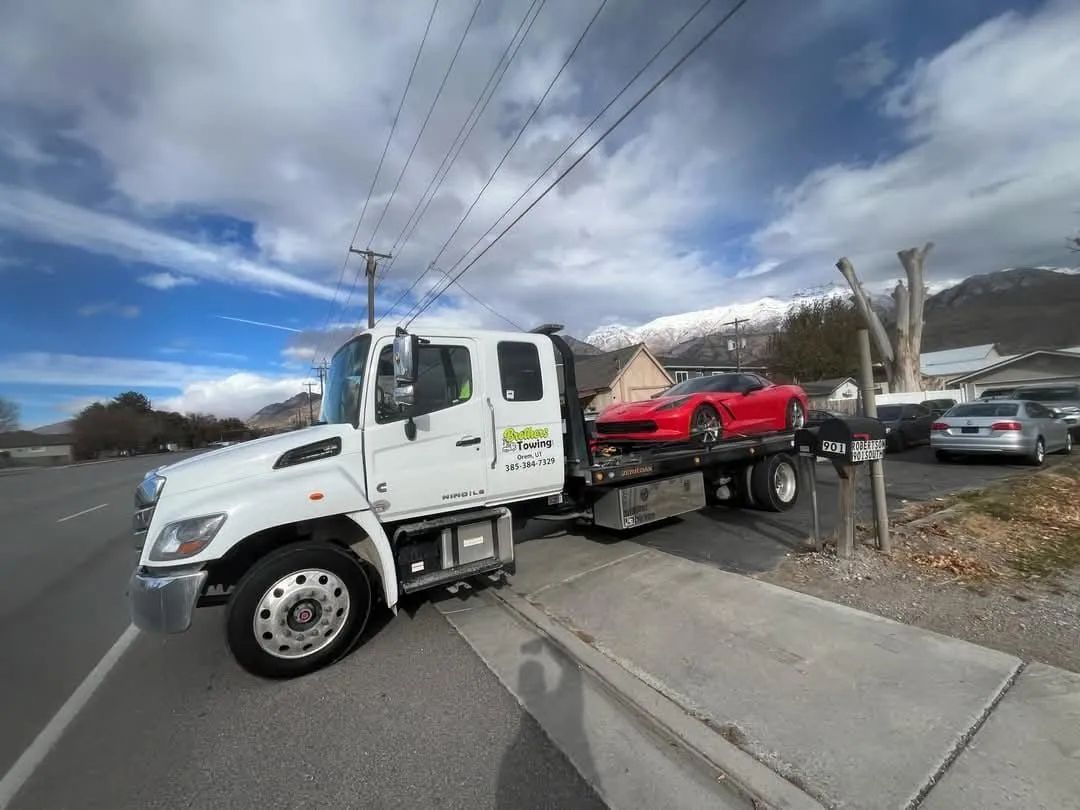
Modern towing is no longer defined by brute strength alone; it is defined by precision engineering, controlled lifting systems, and advanced safety mechanisms designed to protect operators, vehicles, and surrounding traffic. Behind every successful recovery operation, there is a highly engineered machine working under extreme pressure, often in unpredictable roadside conditions. Tow trucks today are built with a focus on structural integrity, hydraulic control, and electronic stability systems that transform complex recoveries into controlled, repeatable procedures.
As vehicles become heavier, smarter, and more technologically advanced, towing equipment must evolve at the same pace. Roadside recovery is no longer just about hooking and hauling; it involves calculated load distribution, sensor-guided alignment, and reinforced structural components that minimize risk during lifting and transport. Safety is now embedded into every stage of tow truck design, from chassis construction to boom articulation systems.
Understanding how modern tow trucks are engineered for safety provides valuable insight into why professional recovery services rely on specialized equipment rather than traditional methods. This evolution reflects a broader industry shift toward reducing accident risks, improving operator protection, and ensuring damaged vehicles are transported without further harm, even in high-pressure emergency scenarios where precision matters most.
Engineering Safety Architecture in Modern Tow Trucks
Reinforced Frame Design and Structural Integrity
Modern tow trucks rely on reinforced chassis systems engineered for extreme torsional loads and continuous operational stress. High-strength steel frames distribute weight evenly during lifting and towing, preventing deformation and structural failure. Cross members and fatigue-resistant alloys enhance durability, ensuring safe performance when handling heavy, oversized, or severely damaged vehicles across demanding roadside recovery conditions and maintaining operational reliability.
Hook, Boom, and Wheel-Lift Safety Engineering
Modern hook and boom systems have evolved into precision-engineered lifting mechanisms designed for controlled vehicle recovery. Hydraulic actuators and locking systems prevent accidental disengagement during operations. Wheel-lift assemblies ensure balanced elevation points, reducing stress on vehicle frames. These advancements allow safe positioning, minimizing tipping risks, and improving stability during roadside recovery in complex traffic environments with enhanced operational precision.
Load Distribution and Center-of-Gravity Control
Engineered towing systems utilize advanced load distribution models that maintain an optimal center of gravity during transport operations. Adjustable underlifts and pivot mechanisms enable precise vehicle alignment, significantly reducing rollover risks. By balancing weight across structural points, these systems improve stability on uneven roads and sharp curves, ensuring safer towing performance under varied environmental and traffic conditions through integrated safety engineering systems.
Hydraulic Systems and Load Stability Control
Precision Hydraulic Lifting Mechanisms
Hydraulic lifting systems form the core of modern tow truck operations, enabling controlled elevation of heavy loads with smooth motion. High-pressure cylinders regulate force distribution, preventing sudden jerks during lifting or lowering. Multi-stage valves ensure consistent fluid flow under varying loads, enhancing precision, stability, and safety during demanding roadside recovery operations across diverse vehicle types with engineered hydraulic control systems.
Fail-Safe Pressure Regulation Systems
Built-in hydraulic safety systems include pressure relief mechanisms that activate when operational limits are exceeded. These fail-safe designs prevent equipment overload and sudden mechanical failure during high-stress recovery situations. Automatic stabilization responses maintain system integrity, ensuring controlled performance even under extreme load conditions encountered in emergency towing and recovery operations with reliable pressure management systems in place.
Stabilizer Deployment and Ground Contact Control
Hydraulic stabilizer legs extend outward during lifting operations to anchor tow trucks firmly to the ground. This prevents unwanted chassis movement and reduces tipping risks during vertical lifts. Anti-slip pads and load-sensing feedback systems further enhance stability, especially on uneven surfaces or roadside recovery environments requiring precise balance and controlled mechanical support throughout operations for improved safety assurance.
Real-World Application in Heavy Recoveries
During heavy recovery operations involving overturned trucks or buses, hydraulic coordination becomes critical for safe execution. Controlled lift sequencing allows gradual repositioning of vehicles without additional structural damage. Precision engineering reduces secondary accident risks while ensuring stability throughout the recovery process, even in high-pressure roadside environments requiring immediate response and accurate mechanical control under strict operational safety protocols.
Electronic Safety Systems and Intelligent Monitoring
Camera-Assisted Alignment and Visibility Enhancement
360-degree camera systems eliminate blind spots during recovery operations, providing operators with complete visual awareness of the surrounding environment. High-definition feeds assist in precise hook placement and vehicle alignment, reducing human error during complex roadside conditions. Enhanced visibility improves safety during night operations, ensuring accurate positioning and controlled maneuvering in challenging situations with improved visual precision systems.
Electronic Stability and Anti-Tilt Controls
Electronic stability systems actively monitor tow truck balance during lifting and transport operations. If tilt angles exceed safe limits, automatic corrective adjustments are triggered to restore stability. These systems significantly reduce rollover risks when navigating sharp turns or uneven terrain, ensuring controlled movement and improved safety performance throughout demanding recovery and towing scenarios with real-time safety optimization controls.
Integrated Dashboard Control Interfaces
Digital dashboard systems centralize operational data, including hydraulic pressure, load distribution, and vehicle diagnostics in real time. Operators gain immediate access to performance metrics, improving decision-making during recovery operations. This integration reduces reliance on manual estimation, enhances response accuracy, and significantly improves safety outcomes in complex towing and roadside assistance environments through a unified digital control system architecture.
Operator Protection and Ergonomic Engineering
Reinforced Cabin Safety Structures
Operator cabins are constructed using reinforced steel frameworks designed to withstand high-impact forces and shifting load conditions during recovery operations. Impact-resistant materials provide protection against collisions and sudden mechanical movement. This structural design ensures maximum safety for operators working in high-risk roadside environments where unpredictable vehicle behavior is common, supported by reinforced safety systems and protective engineering standards.
Ergonomic Control Systems for Precision Handling
Modern control interfaces are designed to reduce operator fatigue and enhance precision during towing operations. Joystick-based hydraulic controls, adjustable seating, and intuitive layouts allow accurate maneuvering with minimal physical strain. This ergonomic design improves operational efficiency, reduces errors, and ensures consistent performance during extended recovery and roadside assistance tasks through advanced human-machine interface optimization systems.
Visibility Optimization and Lighting Systems
High-intensity LED lighting systems ensure clear visibility during nighttime recovery operations. Enhanced illumination reduces risks in low-light environments, supporting safer decision-making and precise control during roadside towing and emergency response situations with adaptive lighting control and safety system integration.
Emergency Override and Safety Lock Systems
Emergency override systems allow immediate shutdown of tow truck operations in case of malfunction or unexpected mechanical failure. Safety locks prevent unintended movement of booms, hooks, or hydraulic lifts during critical operations. These systems ensure controlled responses under stress conditions, maintaining operator safety and preventing equipment damage in unpredictable roadside recovery environments with fail-safe operational control mechanisms.
Real-World Recovery Scenarios and Best Practices
Highway Collision Recovery Operations
Highway collision recoveries demand precise coordination between engineering systems and controlled operational procedures. Tow trucks must stabilize quickly within active traffic environments while ensuring safe vehicle extraction. Integrated safety mechanisms support rapid lifting and secure positioning, reducing secondary risks and maintaining controlled traffic flow during high-pressure emergency roadside recovery situations involving damaged or disabled vehicles.
Off-Road and Terrain-Challenged Recoveries
Off-road recovery environments introduce unpredictable challenges such as mud, slopes, and unstable ground conditions. Adaptive hydraulic systems and reinforced stabilization features help maintain balance during extraction. Engineered traction and controlled lifting ensure vehicles are recovered without further structural damage, allowing safe operations even in remote or uneven terrain conditions requiring precise mechanical and environmental adaptation.
Heavy-Duty Freight and Commercial Vehicle Recovery
Heavy-duty freight recoveries involve large commercial vehicles with significant weight distribution challenges. Reinforced lifting systems and advanced load-balancing mechanisms ensure safe handling of semi-trucks, buses, and industrial transport units. Structural engineering supports high-capacity recovery while maintaining stability, reducing risk during complex towing operations in both urban and highway environments requiring controlled execution.
Professional Towing Engineering, Advanced Safety Systems Focused
Modern tow truck engineering represents a critical shift from mechanical strength to intelligent safety systems. Structural reinforcements, hydraulic precision, electronic monitoring, and operator-focused design collectively reduce risk and improve recovery efficiency. Each system works in coordination to ensure controlled lifting, stable transport, and minimized damage during roadside operations. Safety is no longer an added feature; it is embedded into every component of modern towing architecture. The evolution of towing technology highlights the importance of precision engineering in high-risk environments. As vehicle complexity increases, recovery systems must continue advancing to meet safety demands while maintaining operational reliability under pressure.
At Brothers Towing, a strong focus is placed on delivering reliable solutions across towing, recovery, and freight operations in Orem & Provo, Utah. With 4 years of hands-on field experience, operations are guided by precision handling, safety-first procedures, and dependable response standards. Every recovery scenario is approached with engineered control systems and disciplined operational practices that reflect modern industry expectations. From roadside incidents to heavy-duty recoveries, emphasis remains on minimizing risk while ensuring efficient vehicle handling.
Advanced towing practices are supported through continuous attention to equipment integrity, hydraulic performance, and structural safety compliance. By aligning operational methods with modern engineering principles, dependable outcomes are achieved across diverse situations. This commitment to safety-driven recovery solutions reinforces a trusted approach within the towing and freight industry, ensuring every operation is handled with professionalism, accuracy, and controlled execution.