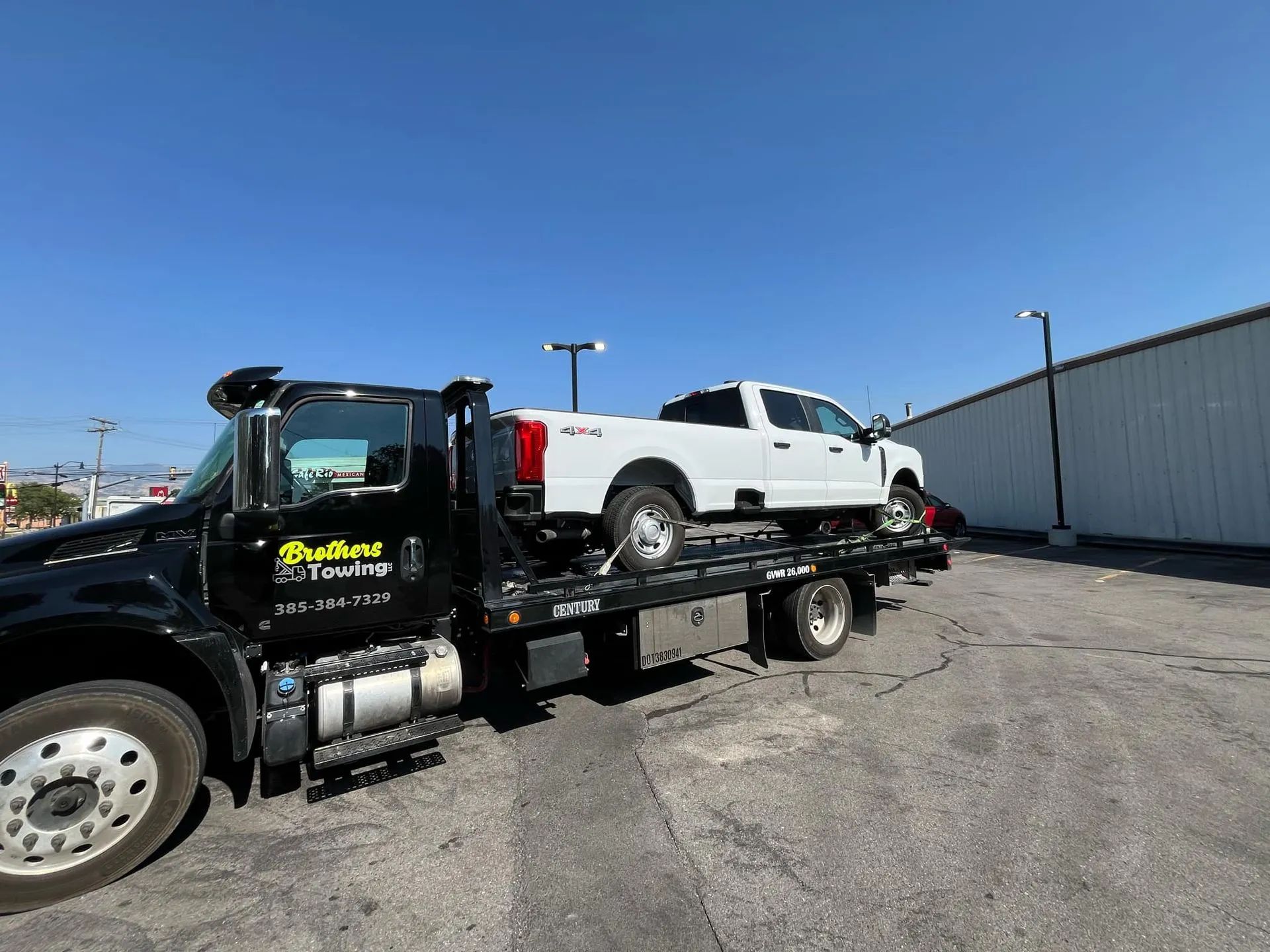
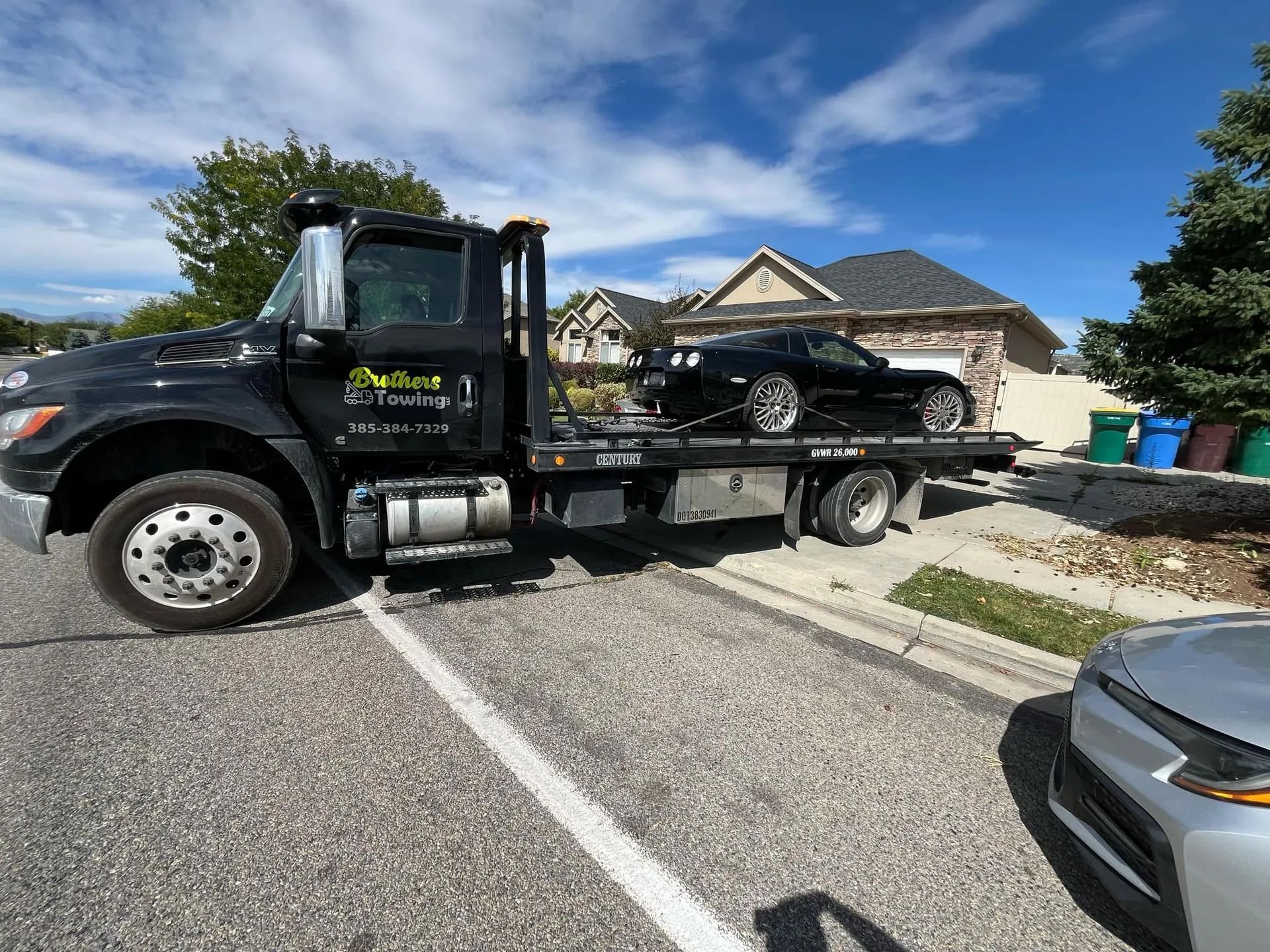
Towing Meets Logistics: How Recovery Fleets Double as Freight Movers
March 23, 2026

In today’s rapidly evolving transportation landscape, versatility has become a crucial asset for service providers. Traditionally, towing and recovery fleets have been associated solely with roadside assistance—helping stranded motorists, removing damaged vehicles, and managing accident scenes. However, as industries explore more flexible logistics solutions, these fleets are increasingly stepping into dual roles: combining their core recovery functions with freight transport capabilities. The integration of towing and logistics not only leverages existing assets but also provides an innovative solution to persistent challenges in freight movement, especially for time-sensitive or specialized cargo.
The convergence of these two services presents opportunities for businesses to rethink supply chain efficiency. Recovery fleets are uniquely equipped to handle large, heavy, or non-standard loads that traditional delivery trucks might struggle with. Additionally, their operational readiness, ability to navigate difficult terrains, and professional handling of vehicles make them ideal candidates for freight-related tasks. As industries continue to seek flexible, multi-purpose solutions, understanding how towing fleets can double as freight movers becomes increasingly valuable for businesses aiming to streamline operations while maintaining reliability and safety.
1. The Evolution of Towing Fleets into Freight Movers
From Recovery Specialists to Multi-Purpose Operators
Historically, towing fleets focused exclusively on roadside recovery, vehicle transport, and accident management. Their role was clear-cut: respond quickly to emergencies and ensure stranded vehicles were safely relocated. However, as commercial transportation demands grew, fleet operators identified an opportunity to expand their services. By leveraging the same heavy-duty trucks, skilled drivers, and logistical coordination systems, towing companies could also participate in freight transport without significant additional investment.
This evolution is not merely a business expansion strategy; it aligns with the larger trend of operational optimization. Companies across sectors are under pressure to do more with existing resources, reducing idle time and maximizing revenue per asset. Recovery fleets, which often have periods of downtime between emergency calls, can fill this gap by handling freight shipments, especially for industries requiring specialized transport solutions.
Key Drivers of the Shift
Several factors contribute to towing fleets entering freight logistics:
- Resource Utilization: Many towing vehicles sit idle for hours or even days. Freight transport offers a productive way to keep assets in motion.
- Specialized Capabilities: Tow trucks and flatbeds can transport oversized or unconventional loads that standard freight carriers cannot.
- Customer Demand: Businesses increasingly require flexible delivery options, especially for urgent, non-standard, or delicate shipments.
- Revenue Diversification: Adding freight services reduces reliance solely on recovery calls, stabilizing cash flow and enhancing business resilience.
2. Operational Advantages of Combining Towing and Freight Services
Enhanced Fleet Utilization
One of the most tangible benefits of dual-purpose operations is improved fleet utilization. A truck that would otherwise wait for a recovery call can instead carry freight, ensuring that each vehicle generates value throughout the day. This approach reduces idle time, improves return on investment, and helps companies optimize labor and fuel costs.
Expanded Service Offerings
By integrating freight capabilities, towing operators can cater to a broader client base. For example, businesses needing vehicle parts, industrial equipment, or specialty goods transported urgently may prefer a provider who can deliver and recover as needed. This dual-service model positions companies as one-stop solutions, enhancing client loyalty and market competitiveness.
Operational Flexibility
Dual-purpose fleets offer unmatched flexibility. Drivers trained in recovery are already adept at maneuvering challenging roads, handling heavy loads, and securing cargo safely. These skills translate seamlessly into freight transport, particularly for oversized or delicate shipments. Operators can respond to both emergency roadside needs and scheduled freight tasks, creating a dynamic service model that meets evolving market demands.
Risk Management and Safety
Towing professionals are trained in stringent safety protocols, which naturally carry over to freight transport. Proper load securing, route planning, and vehicle handling minimize the risk of accidents and cargo damage. This professional approach not only protects the business from liability but also strengthens client confidence.
3. Challenges of Dual-Role Fleet Operations
Scheduling Conflicts
Balancing emergency recovery calls with scheduled freight deliveries can be challenging. Towing fleets must implement robust dispatch and logistics systems to ensure timely response for both services. Failure to manage overlapping priorities can result in delayed deliveries or unsatisfactory customer experiences.
Equipment and Maintenance
While tow trucks are equipped for heavy lifting, frequent use in freight transport can increase wear and tear. Maintaining vehicles in optimal condition requires proactive maintenance schedules, which may include additional inspections, reinforced components, and specialized equipment for freight handling.
Training and Expertise
Although recovery drivers possess many transferable skills, freight transport introduces new operational requirements. Proper cargo securing, route planning for commercial roads, and handling sensitive or high-value goods may necessitate additional training to ensure safety and compliance.
Despite these challenges, companies that proactively address operational and regulatory considerations can successfully integrate freight services, turning potential obstacles into strategic advantages.
4. Best Practices for Running Dual-Purpose Fleets
Strategic Scheduling
Efficient dispatch is critical. Fleet operators should employ advanced scheduling software that prioritizes urgent recovery calls while optimizing freight routes for minimal downtime. This ensures that both service types are delivered efficiently without compromising quality.
Specialized Vehicle Modifications
Certain freight loads may require adaptations to standard tow trucks. Installing adjustable flatbeds, secure tie-down systems, or hydraulic lift mechanisms enables safe transport of diverse cargo. Investing in these modifications enhances versatility and reduces the risk of damage during transit.
Driver Training Programs
Comprehensive training is essential for dual-role operations. Drivers should be proficient in:
- Cargo securing and load distribution
- Safety protocols for commercial roads
- Customer service for freight clients
- Compliance with local, state, and federal regulations
Ongoing professional development ensures the fleet maintains high standards and adapts to emerging industry requirements.
Data-Driven Fleet Management
Tracking vehicle utilization, fuel efficiency, and service patterns helps operators make informed decisions. Data analytics can reveal peak demand times for recovery versus freight, identify underused assets, and optimize routing for cost efficiency. This approach maximizes productivity while minimizing operational risk.
Client Communication and Transparency
Dual-purpose fleets must clearly communicate capabilities and scheduling to clients. Providing accurate delivery windows, contingency plans, and regular updates enhances reliability and builds trust. Businesses are more likely to choose providers who demonstrate professionalism, transparency, and adaptability.
5. Real-World Scenarios and Use Cases
Heavy Machinery and Industrial Equipment Transport
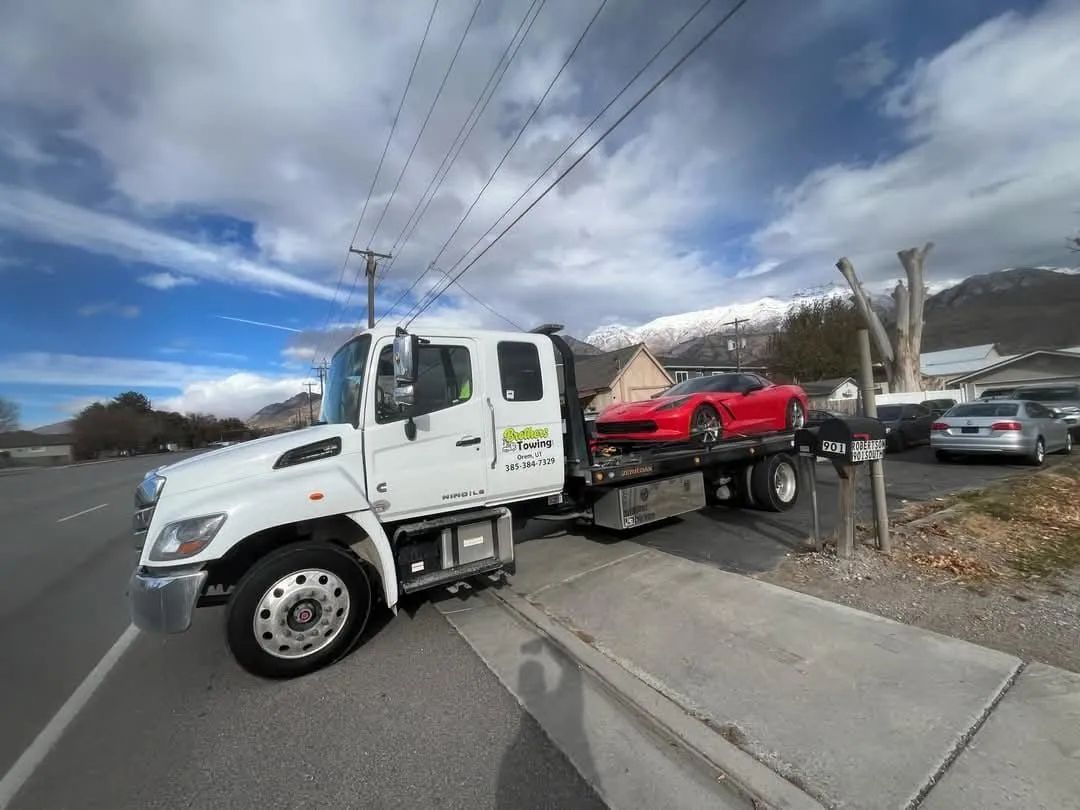
Construction companies often need to move large equipment between sites. Tow trucks with flatbeds can transport excavators, forklifts, or generators safely, avoiding the logistical challenges associated with standard freight carriers. Recovery fleets’ lifting capabilities and trained operators make them ideal for this niche.
Vehicle Parts and Specialty Goods
Automotive shops, dealerships, and parts suppliers frequently require urgent delivery of high-value or sensitive components. A towing fleet capable of freight transport can deliver these items efficiently, leveraging existing assets while maintaining secure handling practices.
Emergency Response and Disaster Logistics
During natural disasters or large-scale incidents, dual-purpose fleets provide critical logistical support. They can simultaneously clear accident or flood-damaged vehicles and transport essential supplies, demonstrating how versatility in fleet operations contributes to community resilience.
Urban Freight Solutions
City-based businesses face constraints like narrow streets, congestion, and limited parking. Recovery fleet operators, skilled in maneuvering challenging conditions, can offer last-mile delivery solutions that traditional freight companies may find difficult to execute. This enhances urban supply chain efficiency.
Seasonal and Event-Based Logistics
Events, festivals, and temporary installations often require rapid deployment of equipment and vehicles. Dual-role fleets can provide timely, flexible transport solutions without the need for additional specialized vehicles, demonstrating cost-effective adaptability.
6. Future Trends in Towing-Freight Integration
Technological Integration
Fleet management software, GPS tracking, and predictive maintenance tools are increasingly essential for dual-purpose operations. These technologies help operators schedule efficiently, reduce downtime, and maintain safety standards. AI-driven analytics may further optimize route planning and resource allocation in real-time.
Sustainable Practices
Environmental considerations are shaping fleet operations. Hybrid or electric tow trucks, efficient routing, and load consolidation can reduce emissions while maintaining service reliability. Businesses integrating sustainability into dual-role fleets gain a competitive edge and meet evolving regulatory expectations.
Collaboration and Partnerships
Towing companies are forming partnerships with logistics providers, retailers, and construction firms to expand their service offerings. Strategic collaborations allow fleets to access new markets, increase revenue potential, and share expertise across industries.
Diversification of Services
As businesses recognize the value of multi-functional fleets, we can expect continued diversification. Recovery operators may expand into specialized freight, such as refrigerated transport, hazardous materials, or high-value cargo, further blurring the line between traditional towing and logistics services.
Dependable Fleet Services Combining Recovery And Freight
The convergence of towing and freight transport represents a transformative opportunity for service providers. By utilizing existing resources, training, and operational expertise, recovery fleets can effectively function as multi-purpose logistics operators. The integration enhances fleet utilization, expands service offerings, and provides flexible solutions for businesses facing complex transportation needs. While regulatory, scheduling, and operational challenges exist, proactive planning and strategic execution allow fleets to thrive in this evolving landscape.
For companies seeking reliable towing and freight solutions, Brothers Towing
stands out as a trusted partner. Serving the Orem & Provo, Utah
areas with 4
years of experience, Brothers Towing
specializes in
recovery,
towing, and
freight services
with a commitment to safety, professionalism, and efficiency. Our dual-capability approach ensures that vehicles and freight reach their destinations securely and on schedule. Whether you need emergency recovery, specialized transport, or integrated logistics support, Brothers Towing
delivers dependable service backed by expertise and a customer-focused approach.