The Role of PPI Services in Maintaining Property Safety and Order
May 11, 2026

Property safety has become a critical concern in modern urban and commercial environments, where risks such as trespassing, vandalism, unauthorized occupation, and operational disruptions continue to increase. In this context, PPI services (Private Property Intervention services) play a significant role in ensuring structured access control, rapid response to incidents, and overall maintenance of order within private and semi-public spaces. These services are not limited to reactive measures; instead, they function as a preventive framework designed to safeguard assets, people, and operational continuity across diverse property types. Additionally, evolving urban density and expanding commercial activity have further intensified the need for disciplined intervention systems. This makes proactive oversight and structured enforcement essential for maintaining long-term property stability.
As property management demands grow more complex, reliance on structured intervention systems has become essential for maintaining compliance, safety, and efficiency. From commercial complexes and industrial yards to residential developments, the need for controlled enforcement and rapid situational response is more relevant than ever. PPI services bridge the gap between security planning and on-ground execution, ensuring that property environments remain stable, lawful, and well-regulated. Their role extends beyond basic monitoring, contributing directly to risk reduction, dispute management, and the reinforcement of property protocols. This makes them a vital component in modern property safety strategies, especially in high-traffic or sensitive operational zones where order must be consistently maintained without disruption. Moreover, integration of structured intervention frameworks supports better coordination among stakeholders and improves overall operational predictability across properties.
Core Functions of PPI Services in Property Protection
Access Control and Unauthorized Entry Prevention
PPI services establish structured access systems that regulate who enters and exits a property effectively. This includes monitoring entry points, verifying authorization, and preventing unauthorized occupation or misuse at all times. Strong access control reduces incidents of theft, trespassing, and internal disruption across premises.
In high-density commercial zones, unmanaged entry points often lead to serious security breaches. With proper intervention frameworks, every access event is tracked, ensuring accountability and transparency at all levels. This structured approach supports both safety compliance and operational discipline consistently.
Incident Response and Immediate Intervention
Rapid response is a defining function of PPI services in critical situations. When unauthorized activity, disputes, or security threats arise, immediate intervention helps contain escalation effectively. Trained personnel assess the situation, apply procedural control measures, and restore order without unnecessary delay in operations.
For example, in logistics yards or storage facilities, unauthorized vehicle access can severely disrupt workflows instantly. Quick intervention ensures that operations continue smoothly while minimizing financial or operational loss significantly.
Property Monitoring and Risk Detection
Continuous monitoring allows early identification of potential risks such as perimeter breaches, safety violations, or structural vulnerabilities developing over time. Surveillance systems combined with physical oversight enhance situational awareness across property environments effectively.
Risk detection also includes identifying behavioral patterns that may indicate future incidents or threats emerging. This proactive approach helps in preventing issues before they escalate into serious security concerns later.
Enhancing Safety Standards Through Structured Enforcement
Regulatory Compliance and Property Protocol Enforcement
PPI services ensure that property rules and legal regulations are consistently followed across all areas. This includes enforcing safety guidelines, parking regulations, restricted zone access, and operational protocols within premises.
Structured enforcement reduces ambiguity and ensures that all occupants and visitors understand expected conduct clearly. In industrial environments, compliance with safety rules significantly reduces workplace hazards and liability risks overall.
Reducing Liability and Operational Risks
One of the key advantages of PPI services is the reduction of liability exposure for property owners and managers. When rules are actively enforced, the likelihood of accidents, disputes, or unauthorized actions decreases considerably.
For instance, uncontrolled access in construction zones can lead to serious safety incidents occurring unexpectedly. Intervention services help maintain clear boundaries, ensuring that only authorized personnel are present in sensitive areas always.
Strengthening Emergency Preparedness
Preparedness is a critical component of property safety in high-risk environments. PPI services contribute by ensuring emergency protocols are understood and executable at any time immediately. This includes evacuation support, hazard identification, and coordination with emergency responders efficiently.
In emergency situations, structured intervention reduces confusion and supports faster resolution of incidents. This enhances the overall resilience of the property environment during unforeseen events significantly every time.
Operational Efficiency and Property Order Management
Streamlining Daily Property Operations
Conflict Prevention and Resolution Support
Conflicts often arise in shared or high-traffic environments due to misunderstandings or unauthorized activities occurring frequently. PPI services act as neutral enforcement mechanisms that help de-escalate tensions and restore order quickly.
Structured intervention reduces emotional escalaation by applying consistent rules across situations. This ensures that disputes are handled professionally and resolved efficiently without disrupting property operations unnecessarily.
Supporting Facility Management Systems
Modern facility management relies heavily on integration between security, maintenance, and operational systems to operate seamlessly. PPI services complement these systems by providing real-time enforcement support and incident documentation consistently.
This integration improves decision-making, as property managers receive accurate data on incidents, access patterns, and risk areas regularly. Over time, this leads to more efficient resource allocation and improved property planning significantly.
Technology Integration in Modern PPI Services
Surveillance and Digital Monitoring Systems
Technology has transformed PPI services by introducing advanced surveillance tools such as CCTV networks, motion sensors, and automated alert systems. These tools enhance visibility and improve response accuracy across properties.
Digital monitoring allows real-time tracking of activities, ensuring that no unauthorized movement goes unnoticed anywhere. This increases both preventive capability and response efficiency across all operational environments.
Data-Driven Security Decision Making
Modern intervention services rely on data analytics to identify trends and predict potential risks effectively. Historical incident data helps in developing preventive strategies tailored to specific property needs consistently.
For example, repeated access violations at specific entry points can indicate the need for infrastructure redesign or increased monitoring urgently. Data-driven insights improve long-term safety planning and operational control significantly.
Communication and Coordination Systems
Effective communication is essential for timely intervention during critical situations. Integrated communication systems allow rapid coordination between field personnel, management teams, and emergency services seamlessly.
This ensures that response actions are aligned and executed without delay in emergencies. Clear communication reduces misunderstandings and enhances operational effectiveness during critical incidents significantly always.
Challenges and Best Practices in PPI Implementation
Balancing Security and Accessibility
One of the primary challenges in PPI services is maintaining a balance between security enforcement and user accessibility effectively. Overly strict control may hinder legitimate access, while weak control increases risks significantly.
A structured policy framework ensures that access remains efficient while maintaining necessary security standards consistently. This balance is essential for user satisfaction and operational flow across environments.
Training and Skill Development
Effective intervention requires well-trained personnel capable of handling diverse situations under pressure. Continuous training in conflict resolution, legal compliance, and emergency response is essential.
Skilled personnel ensure that enforcement actions are appropriate, professional, and legally compliant at all times. This reduces the risk of escalation and improves service reliability across operations significantly.
Consistency in Enforcement Standards
Inconsistent enforcement can undermine the effectiveness of PPI services across properties. Standardized protocols ensure that rules are applied uniformly across all situations and personnel consistently.
Consistency builds trust among property users and reinforces the authority of the intervention system strongly. It also reduces confusion and ensures predictable outcomes in enforcement scenarios effectively every time.
Dependable Brothers Towing
Supporting Secure Property Operations
Private Property Intervention services form a structured foundation for maintaining safety, order, and operational discipline across residential, commercial, and industrial environments. Through access control, rapid incident response, continuous monitoring, and regulatory enforcement, these services reduce risks and enhance the overall stability of property operations. The integration of technology and data-driven insights further strengthens their effectiveness, allowing proactive identification of threats and improved decision-making for long-term safety planning. Challenges such as balancing accessibility, ensuring proper training, and maintaining consistent enforcement highlight the need for professional execution and structured protocols. These structured systems also support long-term asset protection and help maintain predictable operational environments across diverse property types.
In environments where property safety directly impacts operational success, intervention systems play a vital role in preventing disruptions and maintaining controlled environments. Their contribution extends beyond security, supporting efficiency, compliance, and structured property management. Consistent application of these practices ensures smoother coordination between operational functions and strengthens overall site reliability.
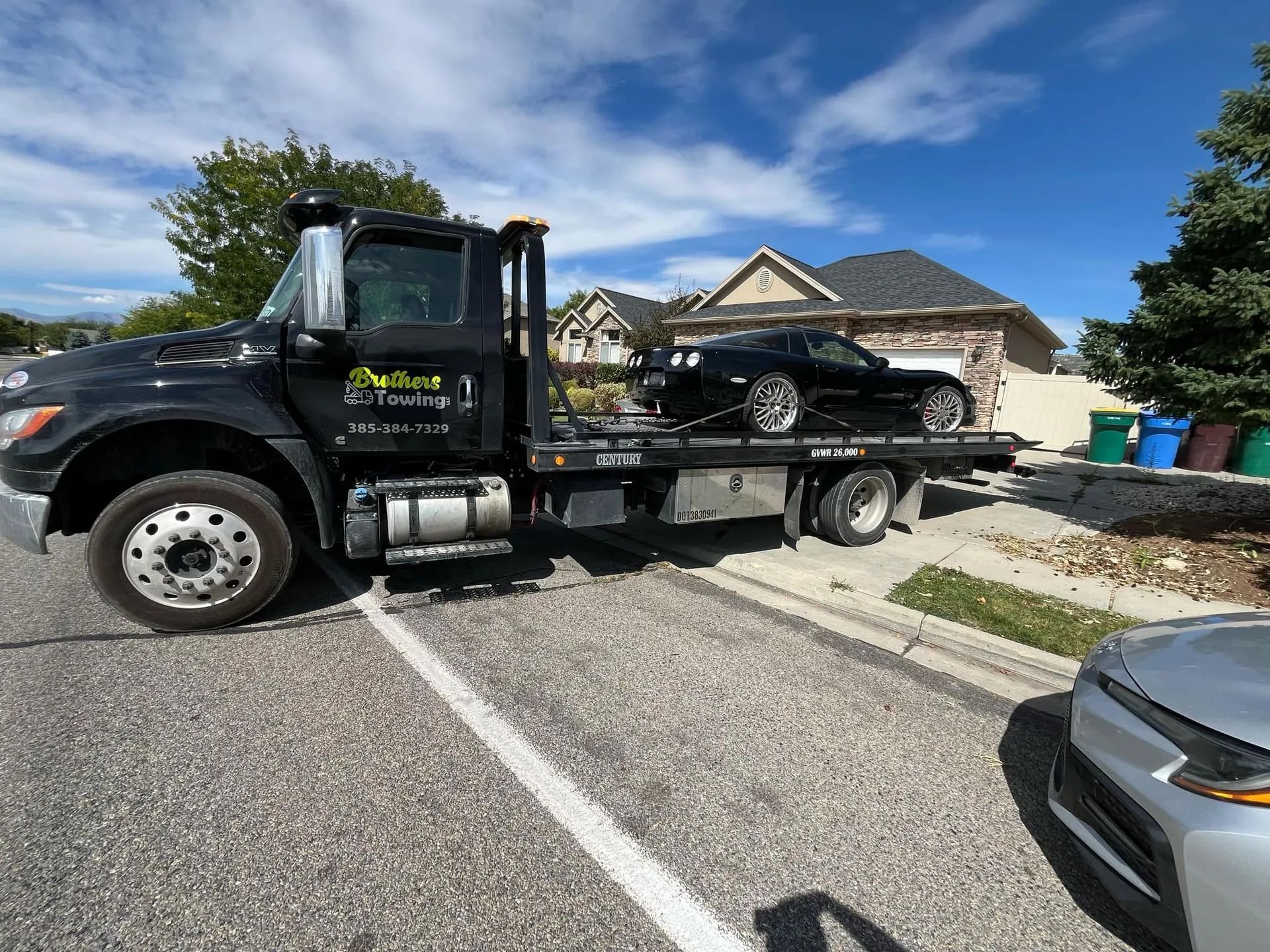
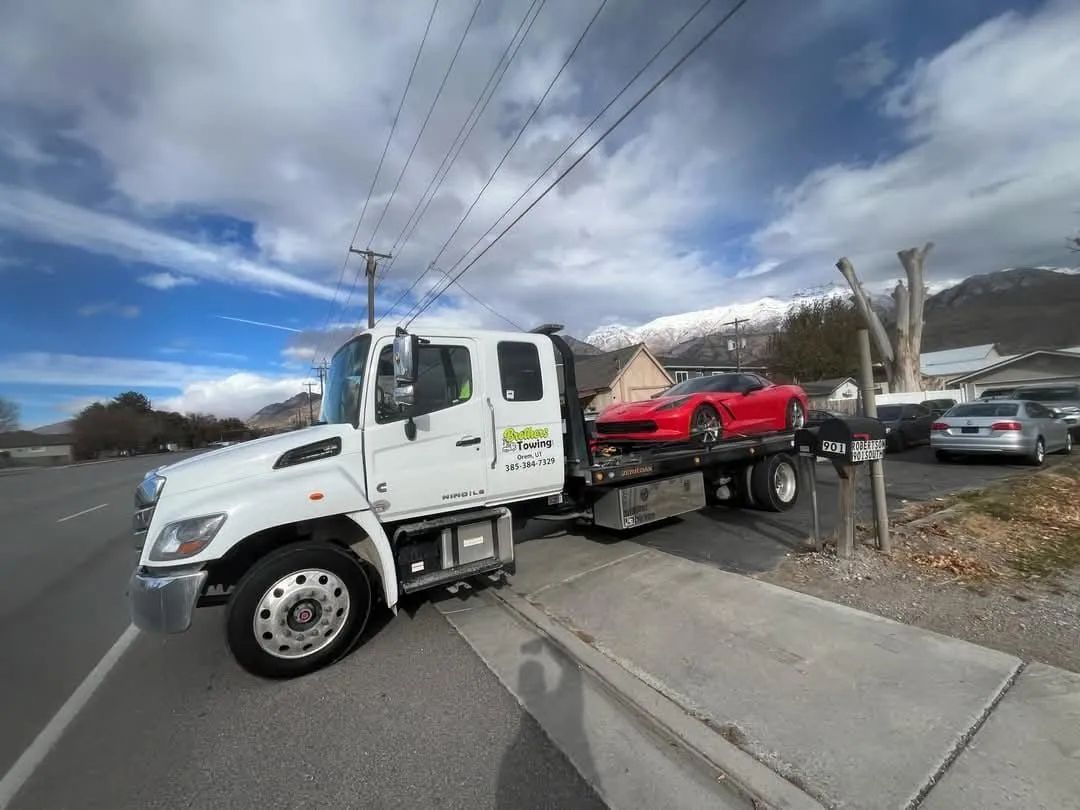
Brothers Towing operates within the towing, recovery, and freight solutions sector, serving Orem & Provo, Utah, with a strong commitment to reliability and structured response. With 4 years of operational experience, the service approach emphasizes controlled execution, rapid assistance, and dependable field response in high-pressure situations. Whether addressing roadside emergencies or managing vehicle recovery operations, the focus remains on maintaining safety, restoring order, and ensuring seamless resolution of incidents. This alignment with disciplined intervention principles reflects a consistent dedication to operational integrity and customer trust. This commitment ensures dependable support even in complex recovery scenarios where precision and timely response are essential.