Understanding the Different Types of Towing: Light, Medium, and Heavy-Duty

September 24, 2025

When it comes to roadside assistance, knowing the type of towing service you need can save you time, money, and stress. Towing services are not one-size-fits-all; they are categorized into light, medium, and heavy-duty towing, each designed to handle specific vehicles and situations. From a stranded sedan to a massive commercial truck, understanding these categories ensures your vehicle is transported safely and efficiently. Towing is more than just moving a vehicle—it involves safety protocols, specialized equipment, and trained operators who can handle unexpected challenges on the road. Choosing the wrong type of tow can lead to delays, damage, or unnecessary costs. To make informed decisions during emergencies, it’s essential to understand the different types of towing services available.

Light-Duty Towing

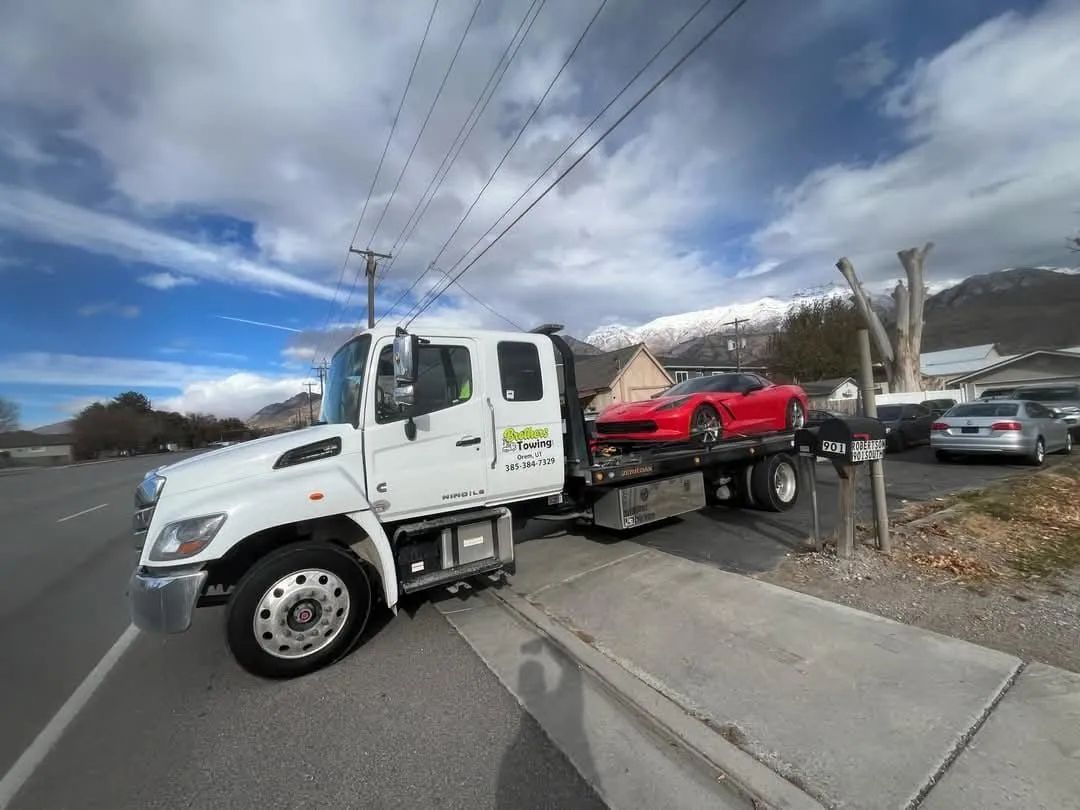
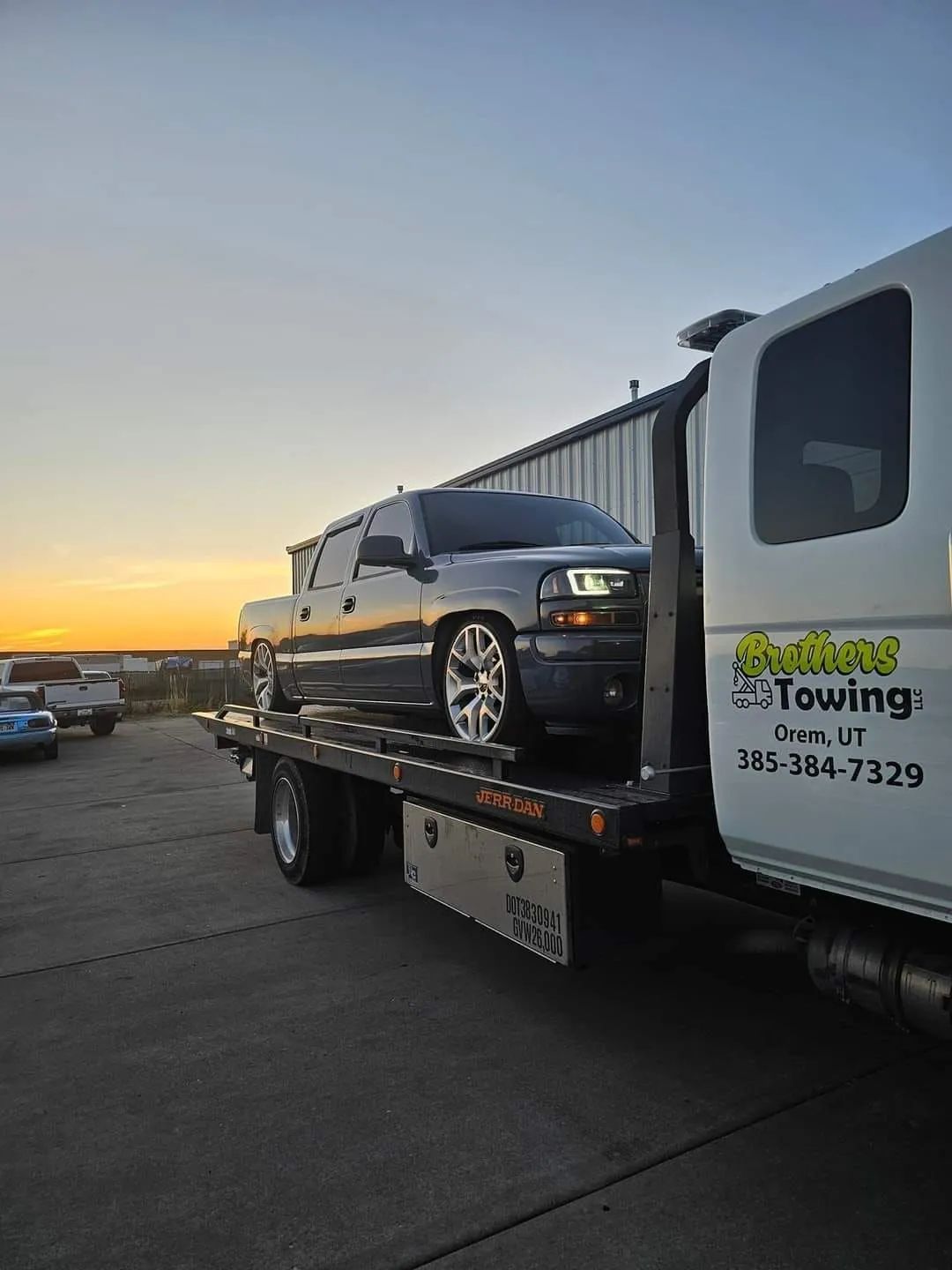
Light-duty towing is primarily designed for smaller vehicles such as cars, motorcycles, SUVs, and light trucks. These tow trucks typically have a towing capacity of up to 10,000 pounds. Light-duty services are ideal for everyday roadside situations like accidents, breakdowns, or flat tires. Common equipment used includes flatbed tow trucks, wheel-lift systems, and hook-and-chain setups. Because these trucks are smaller and more maneuverable, they can reach your location quickly, making them perfect for urban environments or congested streets.

Medium-Duty Towing

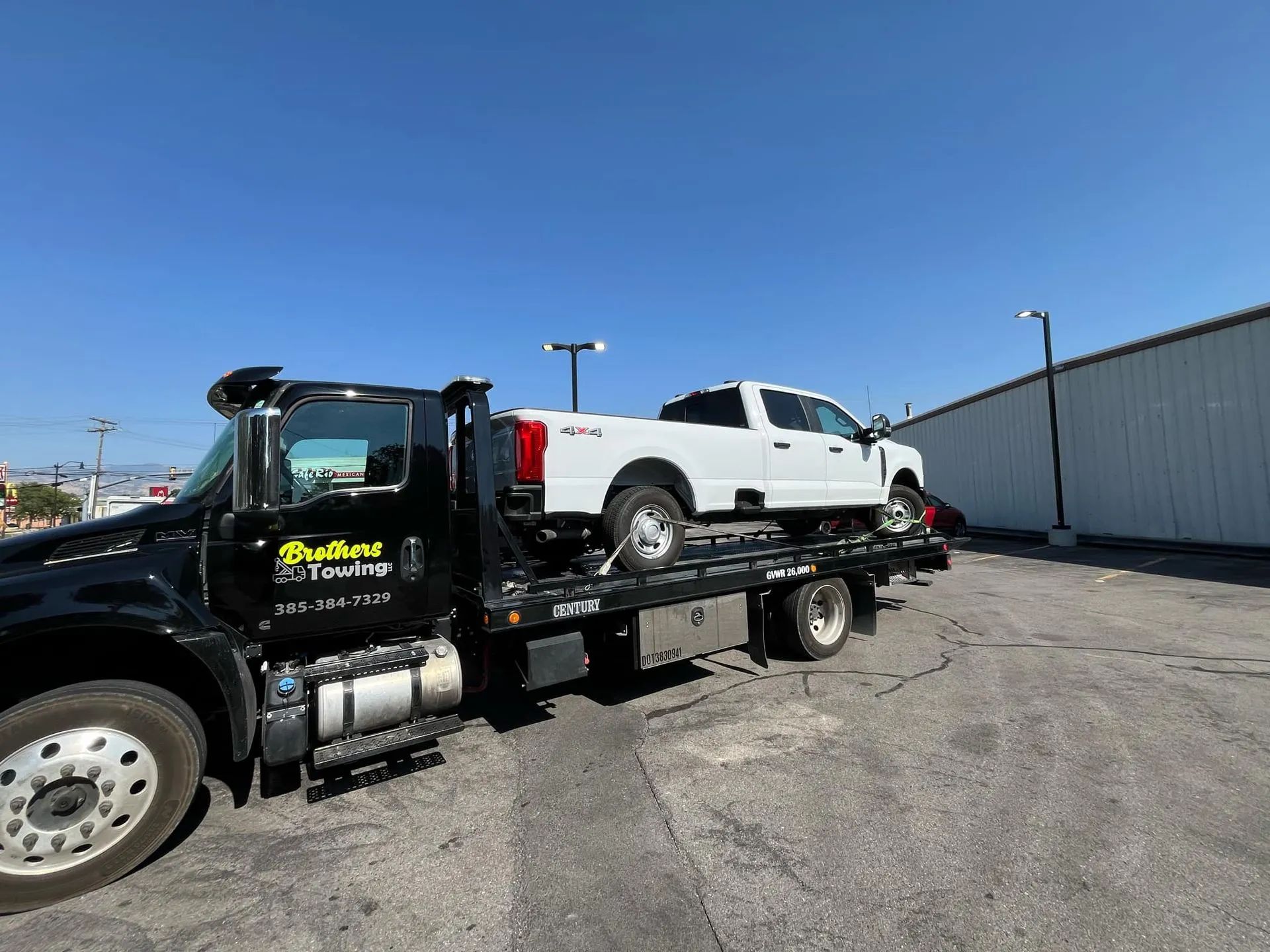
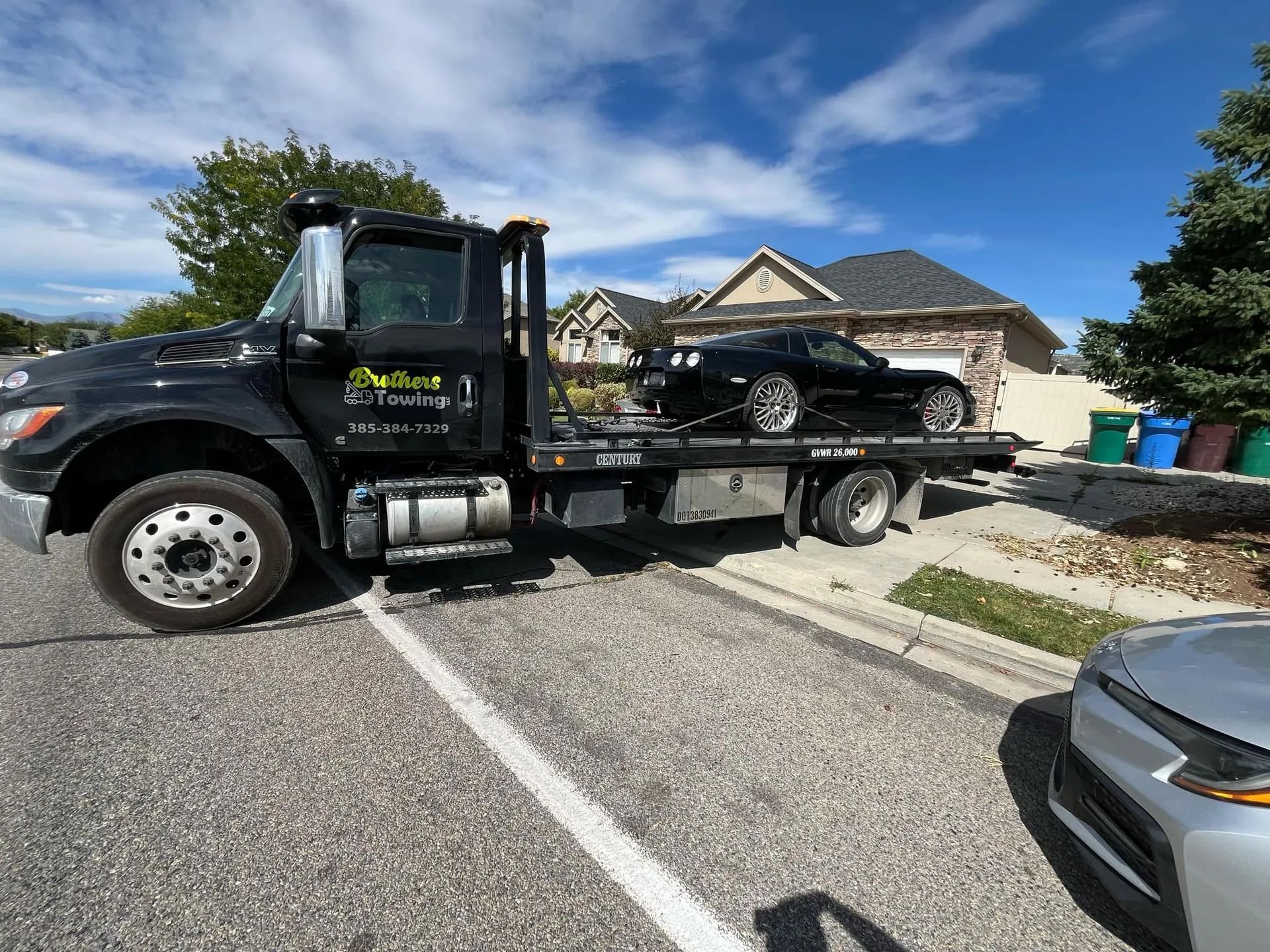
Medium-duty towing caters to larger vehicles that exceed the limits of light-duty trucks but are not as massive as heavy-duty vehicles. This includes box trucks, delivery vans, RVs, and smaller buses. Medium-duty tow trucks can typically handle vehicles weighing between 10,000 and 26,000 pounds. They often feature hydraulic lift systems and dual-axle designs to safely transport heavier loads. This type of towing is common in commercial and fleet operations, where reliable transport of medium-sized vehicles is crucial. Professional operators ensure secure loading, minimizing the risk of accidents or vehicle damage during transit.

Heavy-Duty Towing

Heavy-duty towing is reserved for the largest vehicles on the road, including tractor-trailers, construction equipment, and large buses. These trucks can tow loads exceeding 26,000 pounds, often using powerful winches, multi-axle trailers, and specialized rigging systems. Heavy-duty towing requires highly trained operators who understand load distribution, braking requirements, and safety protocols. These services are critical for highway accidents involving commercial trucks or moving oversized equipment, ensuring that even the heaviest vehicles are transported safely without disrupting traffic flow or causing further hazards.

Choosing the Right Towing Partner

Understanding the distinctions between light, medium, and heavy-duty towing helps you make informed decisions during vehicle emergencies. Selecting a towing service equipped to handle your specific needs is essential for safety, efficiency, and peace of mind. Brothers Towing, serving Orem and Provo, Utah, brings 4 years of experience in towing, recovery, and freight solutions. Their team of skilled operators is equipped to manage vehicles of all sizes, ensuring prompt and reliable service whenever you need it. Trust Brothers Towing to provide expert assistance, keeping you and your vehicle safe on the road.

A truck with a large, beige shipping container on a paved surface under a bright blue sky.
December 25, 2025
The freight transport industry is a cornerstone of global trade, ensuring that goods move efficiently from manufacturers to retailers and ultimately to consumers. As supply chains expand and consumer demands grow, the logistics involved in transporting freight have become increasingly complex.
Silver car on a yellow tow truck bed, secured with a purple strap, outdoors.
November 19, 2025
In the fast-paced world of logistics and recovery, timing can make or break operations. Delays not only cost money but can also impact client trust, safety, and overall efficiency. That’s why 24/7 service coverage is more than just a convenience—it’s a necessity.
Red warning triangle on asphalt road with person near car.
October 17, 2025
Car troubles can strike unexpectedly, leaving drivers stranded and stressed. From flat tires to dead batteries and accidental lockouts, these incidents can disrupt your day and compromise safety. Roadside assistance is designed to provide quick help in such emergencies,
Show More
A truck with a large, beige shipping container on a paved surface under a bright blue sky.
December 25, 2025
The freight transport industry is a cornerstone of global trade, ensuring that goods move efficiently from manufacturers to retailers and ultimately to consumers. As supply chains expand and consumer demands grow, the logistics involved in transporting freight have become increasingly complex.
Silver car on a yellow tow truck bed, secured with a purple strap, outdoors.
November 19, 2025
In the fast-paced world of logistics and recovery, timing can make or break operations. Delays not only cost money but can also impact client trust, safety, and overall efficiency. That’s why 24/7 service coverage is more than just a convenience—it’s a necessity.
Red warning triangle on asphalt road with person near car.
October 17, 2025
Car troubles can strike unexpectedly, leaving drivers stranded and stressed. From flat tires to dead batteries and accidental lockouts, these incidents can disrupt your day and compromise safety. Roadside assistance is designed to provide quick help in such emergencies,
Show More